

Hygiene in Gyms: A Core Strategy for Member Health and Infection Risk Reduction
Gyms are vital environments for promoting healthy lifestyles. However, the intensity of use and shared nature of diverse equipment present significant challenges in maintaining stringent hygiene standards. In these settings, which can be breeding grounds for bacteria and viruses, strict adherence to hygiene protocols is a critical necessity to minimize the potential for infection and safeguard the health of gym-goers.
The Importance of Implementing Hygiene Standards in Fitness Centers:
Ensuring a clean and healthy environment within gyms is a cornerstone for preserving individual well-being and broader public health. Microorganisms transmitted through sweat, shed skin cells, and respiratory droplets have the potential to cause serious infections if effective hygiene protocols are disregarded. The potential risks are clearly evident in the following:
Prevention of Skin Infections: The humid and shared environments of gyms are fertile grounds for the proliferation of fungal infections, viral warts, and bacterial infections affecting the skin.
Protection Against Respiratory Infections: Intense exercise in enclosed spaces increases the likelihood of transmitting common respiratory illnesses such as influenza and the common cold among members.
Avoiding Gastrointestinal Infections: Proper hand hygiene plays a pivotal role in preventing the spread of germs that cause gastrointestinal issues resulting from contact with contaminated surfaces.
Essential Measures to Enhance Hygiene in Gyms:
Promoting Regular Handwashing Habits: Hands are the primary vehicle for germ transmission. Emphasizing the importance of thorough handwashing with soap and water for at least 20 seconds before and after each workout is crucial. Providing alcohol-based hand sanitizers as an effective alternative when necessary is also recommended.
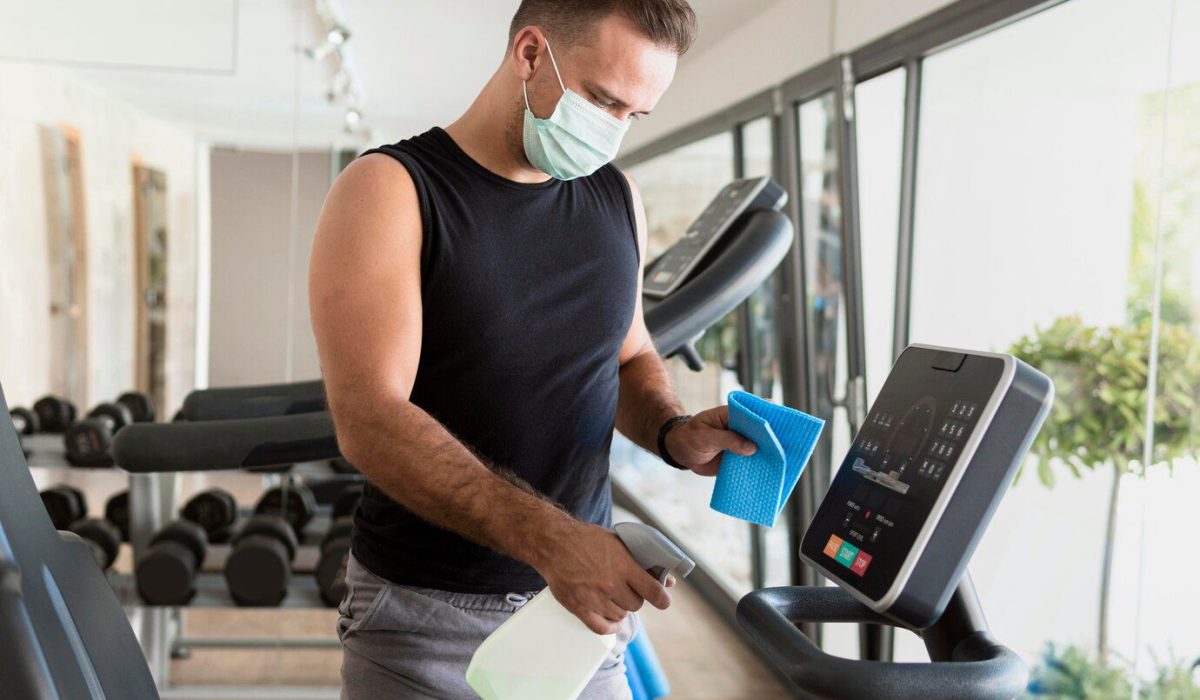
Routine Disinfection of Shared Areas and Equipment: Gym management must adopt a strict schedule for the regular disinfection of exercise equipment, machines, and mats due to their frequent use. Providing disinfectant wipes and surface cleaners and encouraging members to use them before and after use is a proactive and essential step.
Encouraging the Use of Personal Belongings: Urging members to bring their own towels helps minimize direct contact with shared surfaces during workouts. Promoting the use of personal mats and water bottles further enhances hygiene levels.
Implementing Hygiene Protocols in Shower and Changing Rooms: Requiring members to wear footwear before using shower facilities is an effective measure to limit the spread of fungal and bacterial infections. Educating members about the importance of using personal hygiene products and avoiding sharing is also vital.
Ensuring Adequate Ventilation and Air Quality: Proper ventilation in enclosed spaces plays a crucial role in preventing the buildup and spread of airborne germs. Therefore, ensuring fresh air circulation and the regular maintenance of HVAC systems in gyms is essential.
Maintaining Cleanliness of Personal Workout Attire and Equipment: Educating members about the necessity of washing workout clothes at high temperatures and allowing them to air dry thoroughly after each use is important. Regularly cleaning and disinfecting personal items like gloves, wristbands, and athletic shoes should also be encouraged.
Responsibilities of Gym Operators in Maintaining a Healthy Environment:
Gym management bears the responsibility of adopting and implementing preventative measures to ensure the highest standards of hygiene:
Routine and Comprehensive Disinfection: Establishing scheduled and regular disinfection plans that encompass all equipment, flooring, and common areas using effective disinfectant products is essential.
Providing Integrated Hygiene Stations: Strategically placing hand sanitizer dispensers throughout the gym enhances hygiene awareness and facilitates easy access.
Offering Educational Materials on Hygiene: Preparing and displaying informative posters and brochures outlining basic hygiene rules and encouraging members to adopt healthy practices is crucial.
In Conclusion:
Hygiene in gyms is a cornerstone not only for preserving the health and well-being of individuals but also for safeguarding the broader public health of the community. Strict adherence to personal hygiene rules, the regular and thorough cleaning of shared areas, and the commitment of gym operators to implementing the highest hygiene standards are all vital components that contribute to reducing the risk of infection and providing a healthy and safe workout experience for everyone. Adopting and implementing hygienic habits is a shared responsibility to ensure a healthy and sustainable fitness environment.